
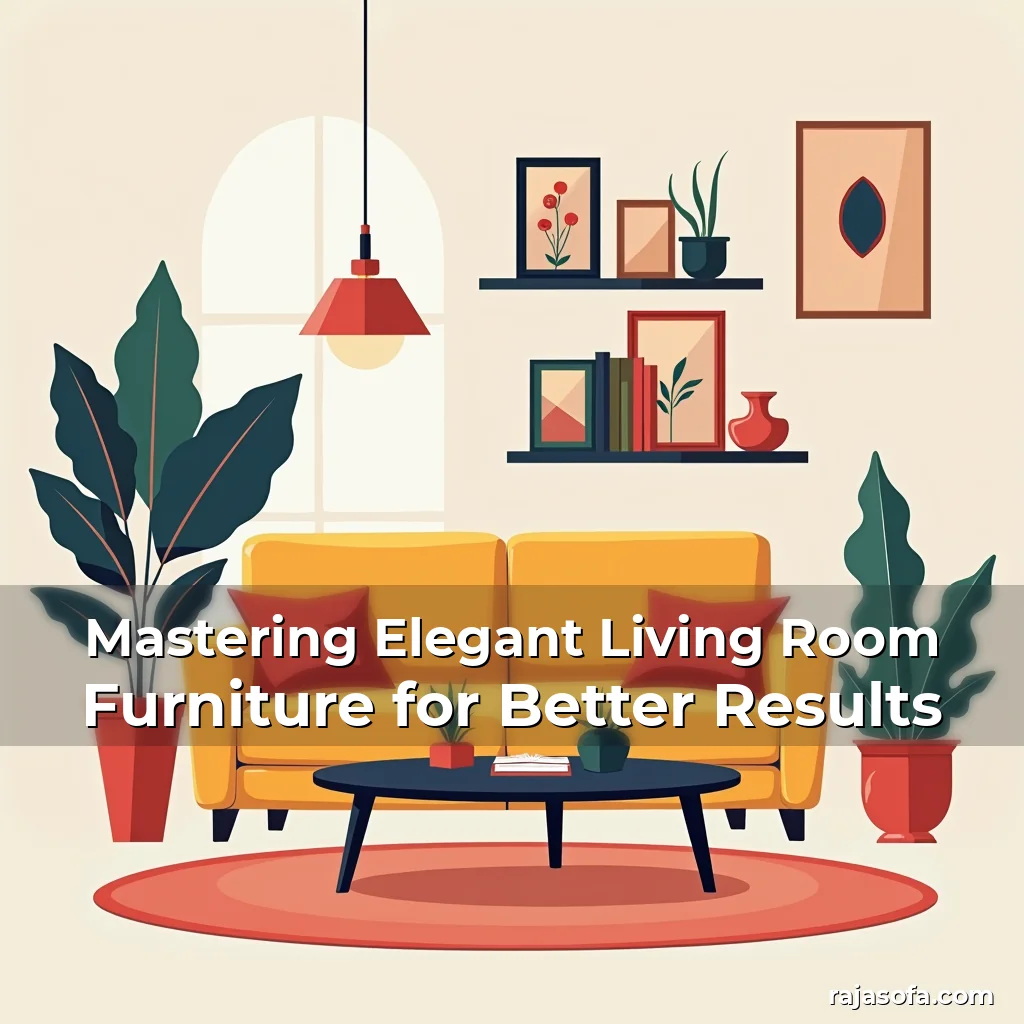
The Art of Timeless Elegance: Curating an Exquisite Living Room Space
In today’s fast-paced world, the living room has evolved beyond its traditional role as mere social space—it now serves as the heart of modern domestic life, where comfort meets sophistication. Creating an elegant living room requires careful selection of furniture that balances functionality with aesthetic appeal.
Elegant living room furniture is defined by clean lines, superior craftsmanship, and materials that stand the test of time. This guide explores how to curate a luxurious yet livable space through thoughtful design choices.
Fundamental Principles of Elegant Design
A successful living room begins with understanding spatial dynamics. The arrangement of furniture significantly impacts both aesthetics and usability. Strategic placement ensures optimal traffic flow while maximizing visual impact.
Proportion plays a crucial role in creating harmony within the space. Oversized pieces can overwhelm small rooms, while undersized furnishings may appear out of place in larger spaces. Finding the right balance is essential for achieving elegance.
Color theory provides another critical foundation for elegant interiors. Neutral palettes create timeless appeal, but strategic accents add personality without overwhelming the space. A well-balanced color scheme enhances overall ambiance.
- Balance: Distribute visual weight evenly across the room for architectural harmony
- Unity: Maintain consistent style elements throughout different furniture pieces
- Rhythm: Use repeating patterns or shapes to create movement within static designs
Material selection also contributes greatly to perceived elegance. Natural textures such as wood grain, leather patina, and fabric weaves offer depth and character that synthetic materials often lack.
Maintaining proportion between furniture pieces creates visual coherence. For example, a tall bookcase pairs beautifully with low-profile seating, while a statement sofa demands appropriately scaled accent chairs.
Crafting the Perfect Seating Ensemble
The sofa remains the focal point of any living room. Choosing the right model involves considering both form and function—comfort must never be sacrificed for style alone.
Sofas come in various configurations from classic three-seaters to modular combinations. Sectional arrangements provide flexibility while maintaining structural integrity when properly balanced.
Upholstery options range widely, each offering distinct advantages. Leather exudes luxury while requiring minimal maintenance, whereas velvet adds opulence with rich texture and softness.
Accompanying seating should complement rather than compete with the primary piece. Armchairs with matching finishes or contrasting colors can enhance visual interest without disrupting cohesion.
Ottoman selections should match the scale and style of existing seating. Solid wood bases paired with tufted cushions create a refined look, while minimalist platforms suit contemporary settings.
Statement Pieces That Define Spaces
Choosing a showpiece coffee table sets the tone for the entire ensemble. It becomes the gathering point for conversation and daily activities, making functionality paramount alongside aesthetics.
Custom-built tables allow for tailored dimensions that perfectly fit available space. These bespoke solutions ensure seamless integration with surrounding furniture while reflecting personal taste.
Glass-topped models create illusion of openness, ideal for smaller spaces. Metal-framed variations introduce industrial chic elements that contrast beautifully with softer upholstery.
Wooden coffee tables bring warmth and natural beauty into the room. Solid teak or mahogany pieces develop beautiful patinas over time, adding to their inherent elegance.
For those seeking something unconventional, designer tables featuring geometric forms or artistic detailing make bold statements while maintaining sophistication.
Lighting Solutions for Atmosphere Creation
Layered lighting approaches transform ordinary spaces into inviting environments. Combining ambient, task, and accent lighting creates dimensionality and mood versatility.
Chandeliers serve dual purposes as decorative centerpieces and functional light sources. Crystal varieties add sparkle, while minimalist metal fixtures contribute sleek modernity.
Table lamps provide focused illumination for reading areas or side tables. Their choice should reflect the room’s overall aesthetic—from ornate brass designs to streamlined glass silhouettes.
Pendant lights hung above seating areas direct light precisely where needed. They also become striking visual features that elevate interior design quality.
Recessed ceiling lighting offers subtle yet effective general illumination. When combined with other lighting types, it creates a balanced luminous environment.
Textile Selections for Texture and Warmth
Throw pillows inject vibrancy into neutral spaces while providing additional comfort. Their selection allows for easy seasonal updates without major renovations.
Blankets and throws add tactile richness to seating areas. Wool blends maintain warmth during colder months while remaining stylish year-round.
Rug choices influence both decor and practicality. Area rugs define floor space boundaries while enhancing acoustic properties and insulation values.
Varying textile patterns introduces visual interest without compromising elegance. Subtle stripes or delicate florals work best for maintaining sophisticated ambiance.
Quality fabrics withstand frequent use better than cheaper alternatives. Investing in durable yet luxurious materials ensures long-term satisfaction with home décor decisions.
Decorative Accents That Elevate Style
Artwork placements should follow the rule of thirds for optimal visual impact. Framed pieces hung at eye level draw attention naturally without feeling forced.
Plants bring vitality and freshness into indoor spaces. Carefully selected greenery complements color schemes while improving air quality and psychological well-being.
Book displays combine utility with decoration. Arranged thoughtfully, they showcase personal interests while contributing to overall room aesthetics.
Curated collections tell stories through objects chosen intentionally. Whether displaying heirlooms or collectibles, these items add layers of meaning to the space.
Candles and diffusers infuse rooms with pleasant aromas. Scented products should align with the room’s intended atmosphere—for relaxation, celebration, or everyday use.
Maximizing Small Spaces Through Smart Design
Compact living areas require intelligent furniture solutions that optimize limited square footage without sacrificing style. Multi-functional pieces prove particularly valuable here.
Storage ottomans double as footrests and concealed compartments. These clever additions maximize usable surface area while keeping clutter contained.
Built-in shelving systems integrate seamlessly into walls, freeing up floor space while providing organized storage solutions. Custom installations cater specifically to individual needs.
Folding furniture offers temporary solutions for expanding living areas. Expandable dining tables or fold-out sofas accommodate guests without permanent fixture installation.
Vertical space utilization transforms wall surfaces into storage opportunities. Floating shelves and hanging baskets store essentials while minimizing footprint requirements.
Trends Without Compromise: Balancing Modernity With Tradition
Current design trends emphasize sustainability and eco-conscious materials without compromising on elegance. Recycled metals and responsibly sourced woods gain popularity among discerning buyers.
Smart home technology integrates discreetly into furniture designs. Hidden wiring channels and built-in charging ports demonstrate forward-thinking approach to modern living.
Minimalist principles remain influential but are evolving towards more personalized expressions. Clean lines coexist with curated accessories that reflect individual tastes.
Mixed media approaches combine different textures and materials creatively. Blending metallic accents with organic elements results in dynamic yet cohesive interiors.
Global influences continue shaping contemporary styles, incorporating elements from diverse cultures respectfully rather than superficially appropriating them.
Investment Considerations for Lasting Value
High-quality furniture represents a wise investment that appreciates over time. Well-crafted pieces endure years of use while maintaining their original allure.
Researching brands known for exceptional craftsmanship helps identify reliable purchases. Reputable manufacturers typically offer warranties that guarantee product longevity.
Considering resale value becomes increasingly important for significant investments. Classic styles tend to retain market value better than fleeting fashion trends.
Building relationships with trusted dealers ensures access to exclusive pieces before they reach wider markets. Personal connections often lead to special ordering opportunities.
Regular maintenance preserves furniture condition and extends lifespan. Following manufacturer guidelines regarding cleaning and care prevents unnecessary wear and tear.
Conclusion
Creating an elegantly furnished living room requires balancing artistry with practical considerations. Thoughtful selection of furniture and accessories establishes a space that reflects personal style while ensuring lasting enjoyment.
By applying these principles and staying attuned to evolving design philosophies, homeowners can craft living environments that inspire, entertain, and endure for generations to come.