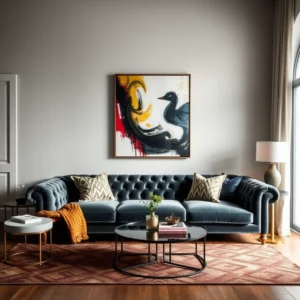
Sofa Styles to Consider
When it comes to choosing a sofa, there are numerous styles to consider. Here are some of the most popular ones:
But what makes a modern minimalist sofa truly special is its ability to adapt to different lifestyles and environments.
The Evolution of Minimalist Sofas
The minimalist sofa has undergone significant transformations since its inception.
A minimalist sofa can be dressed up or down depending on the occasion.
The Benefits of Minimalist Sofas
Minimalist sofas have several benefits that make them a popular choice for many homeowners. Here are some of the advantages of incorporating a minimalist sofa into your living room:
These colors are not only aesthetically pleasing but also create a sense of calmness and serenity. A well-designed sofa can elevate the entire ambiance of a room, making it feel more inviting and cozy.
The Importance of Color in Scandinavian Design
In Scandinavian design, color plays a significant role in creating a sense of warmth and coziness. The use of soft, neutral tones is a hallmark of this style, and for good reason.
Sofas that feel like a warm hug, designed to envelop you in comfort and relaxation.
Here are some key features to look for when choosing a Scandinavian-style sofa:
Key Features of Scandinavian-Style Sofas
Design Inspiration
Scandinavian-style sofas are not just functional, but also visually stunning. Here are some design inspirations to consider:
Comfort and Functionality
A Scandinavian-style sofa is not just a piece of furniture, but also a haven for relaxation and comfort. Here are some features to consider:
The Evolution of Traditional Sofas
Traditional sofas have been a staple in home decor for centuries. From the opulent Victorian era to the modern era, these sofas have undergone significant transformations. Let’s take a journey through the evolution of traditional sofas and explore their various styles and characteristics.
Early Beginnings
The earliest traditional sofas date back to the 16th century, during the Renaissance period. These early sofas were often simple, with minimal ornamentation and a focus on comfort. They were typically upholstered in leather or velvet and featured rolled arms and tufted backs. Key features of early traditional sofas: + Rolled arms + Tufted backs + Leather or velvet upholstery + Minimal ornamentation
Victorian Era
The Victorian era, which spanned from the late 1830s to the early 1900s, saw a significant transformation in traditional sofas. During this period, sofas became more ornate and luxurious, with intricate carvings, curved lines, and plush fabrics. Key features of Victorian-era traditional sofas: + Intricate carvings + Curved lines + Plush fabrics + Luxurious upholstery
Mid-Century Modern
The mid-century modern era, which spanned from the 1930s to the 1960s, saw a shift towards more minimalist and functional designs.
The Art of Bohemian Design
Bohemian design is all about embracing individuality and self-expression. It’s a style that celebrates the beauty of imperfection and the freedom to experiment with different patterns, textures, and colors.
Boho Chic: A Guide to Styling Your Sofa
Creating a Boho Chic Look
Boho chic is a style that celebrates individuality and self-expression. It’s all about embracing your unique personality and style, and translating that into your home decor. When it comes to styling a boho chic sofa, the key is to create a space that feels eclectic and laid-back. A mix of patterns and textures is a must-have for a boho chic look. This can include a patterned rug, a chunky throw blanket, and a few well-placed pillows. Don’t be afraid to add some quirky decor pieces to the mix. This could be a vintage side table, a macrame wall hanging, or a colorful vase. Plants are also a great way to add some boho chic flair to your sofa. Choose a few low-maintenance plants like succulents or air plants, and place them on the coffee table or side tables.
Mixing and Matching
One of the best things about boho chic is the freedom to mix and match different styles and patterns.
The Evolution of Mid-Century Modern Sofas
Mid-century modern sofas have been a staple of interior design for decades, and their enduring popularity can be attributed to their unique blend of retro and contemporary elements. In this article, we’ll delve into the history of mid-century modern sofas, explore their key features, and provide tips on how to incorporate them into your home decor.
The Origins of Mid-Century Modern Design
Mid-century modern design emerged in the 1930s and 1940s, primarily in the United States and Europe. This design movement was characterized by a focus on functionality, simplicity, and clean lines.
The Origins of Mid-Century Modern
Mid-century modern design emerged in the 1940s and 1950s, primarily in the United States and Europe. This style was characterized by clean lines, minimal ornamentation, and an emphasis on functionality. Designers like Charles and Ray Eames, Eero Saarinen, and Richard Neutra were instrumental in shaping the aesthetic of mid-century modern design.
Key Features of Mid-Century Modern Furniture
Here are some key points to consider when choosing the perfect mid-century modern sofa.
Choosing the Perfect Mid-Century Modern Sofa
When selecting a mid-century modern sofa, there are several factors to consider. Here are some key points to keep in mind:
Styling an Industrial Sofa
To create a cohesive look, consider the following elements:
Mixing and Matching
Industrial sofas can be paired with a variety of styles to create a unique look. Consider combining:
Adding Texture and Pattern
To add depth and visual interest to your space, incorporate a variety of textures and patterns:
Consider the following factors when selecting an industrial-style sofa:
Factors to Consider When Choosing an Industrial-Style Sofa
Tips for Styling an Industrial-Style Sofa
Common Challenges and Solutions
Planning and Preparation
Before you start shopping for a new sofa, it’s essential to plan and prepare. This includes measuring the space where the sofa will go, considering the doorways, hallways, and entry points to ensure it will fit through when delivered. Measure the length, width, and height of the space where the sofa will go. Take note of any obstacles, such as heating vents, electrical outlets, or windows. Consider the style and size of the room, as well as the overall aesthetic you want to achieve.
Measuring the Space
Measuring the space where the sofa will go is crucial to ensure a proper fit.
Measure up to find the perfect sofa fit.
Consider the scale of the sofa in relation to the room and the other furniture pieces.
Choosing the Right Sofa for Your Space
When selecting a sofa, it’s essential to consider the room’s dimensions and the layout of the furniture. A well-chosen sofa can make a significant difference in the overall aesthetic and functionality of the space.
Measuring the Room
Before making a purchase, take the time to measure the room and the space where the sofa will be placed. This will help you determine the ideal size of the sofa. Consider the following factors:
Sofa Shapes and Sizes
Sofas come in various shapes and sizes to suit different room layouts and styles. Here are some popular options:
Relax in style with vidaXL’s wide range of sofas designed for ultimate comfort and relaxation.
vidaXL offers a wide range of sofas in various styles, including modern, traditional, and mid-century modern.